A cloud kitchen is a restaurant without a dining room: no service, no tablecloths, no parking space.
It cooks for delivery and nothing else. In sub-Saharan Africa the idea arrives in a particular
context: commercial rent for a unit with a shopfront is out of reach for a cook starting out, while a
unit without one is not.
What it changes for someone starting
Opening a conventional restaurant requires a room, furniture, waiting staff and a licence that
assumes all of it. Opening a cloud kitchen requires a compliant kitchen, production capacity, and
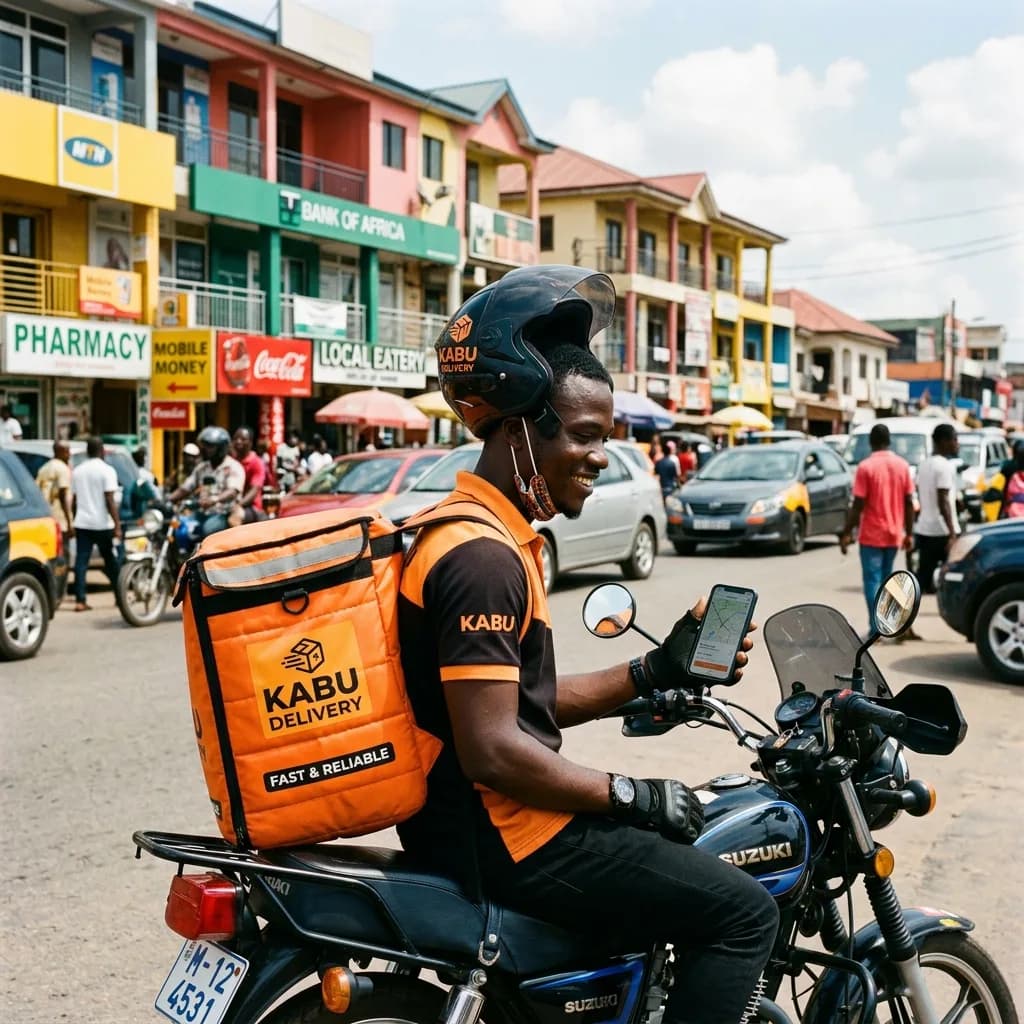
somewhere a rider can stop for 2 minutes.
Two models, very different
The shared kitchen. Several brands cook in one unit, each on its own station. Costs are
shared, it opens fastest, and the hard part is coordination at peak.
The dedicated kitchen. One brand, one unit. More expensive, slower to open, and far simpler to
run.
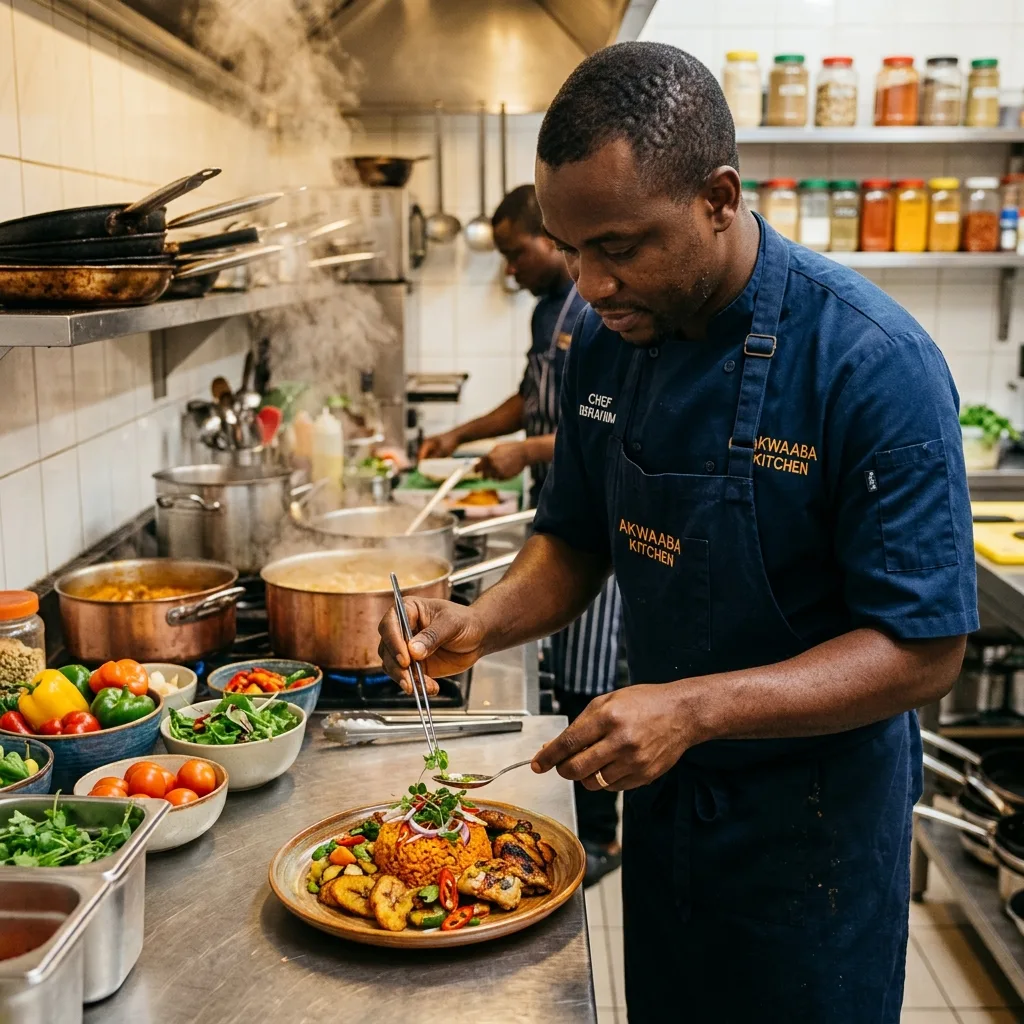
A production kitchen looks like a restaurant kitchen, without the room.
The invisible-brand trap
A cloud kitchen has no sign you walk past. All of its visibility comes from the platform and from
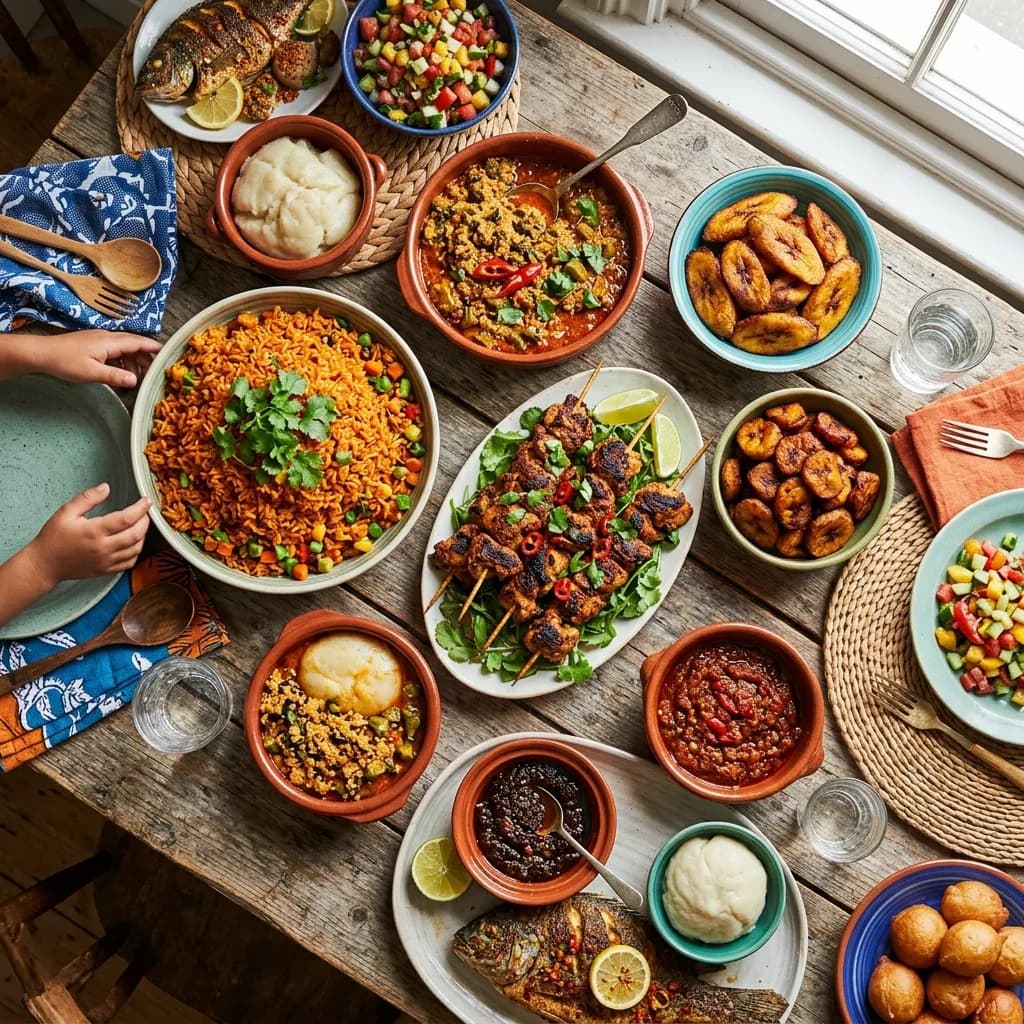
word of mouth. The brands that last understood this early: a name people remember, a photograph per
dish, and a consistency that brings people back. The ones that fail often cook well and have no way
of being found.
What we think
It is good news for cooks who could never afford to open, and a real risk for neighbourhoods if
everything becomes invisible. A city needs rooms to sit down in.